第16回アジアの民主化を促進する東京集会報告 ※英語付き With English translation

(Photo by T.MORIMOTO)
9月26日、午後2時より、東京九段下会議室にて、第16回アジアの民主化促進する東京集会が開催されました。参加者は約50名。
【第一部】
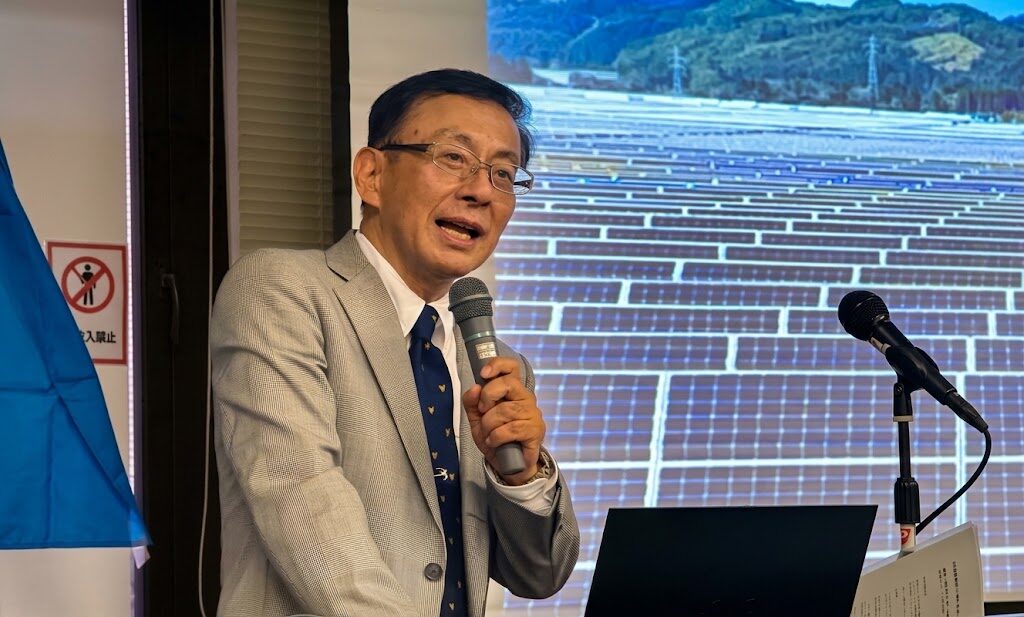
ぺマ・ギャルポ会長の開会あいさつの後、テンジン・ツゥンドゥ(Tenzin Tsundue)氏が登壇。テンジン氏は、亡命チベット人2世として、1973年にインド・マナリの道路脇のテントで生まれ、ダラムサラのチベット人学校で学び、1997年に大学を卒業すると独りでインド西北部からチベットに潜り込むが拘束され「外国人」として強制送還されました。ムンバイ大学大学院英文学修士、詩人、作家、フリー・チベット(チベットに自由を)のアクティビスト。日本でも『独りの偵察隊』が、書肆侃侃房から翻訳発行されています。

(Photo by T.MORIMOTO)
テンジン氏は多くの映像を映し出しながら講演を始め、まず、チベットという地域が、南にはインド、ネパール、バングラデシュがあり、東には中国、西にはモンゴルと、ある意味、アジアの中心部に位置していることをまず指摘しました。そして、チベットを発する河川は、インドのインダス川にも中国の黄河にもその水源として存在しており、古代の二大文明を生み出したと述べました。同時に、チベットからの河川はメコン川に流れ込み、ビルマ、タイ、カンボジアにも、またバングラデシュにも至る、つまりチベットはまさにアジアの水源でもあり、過去から現在に至るまでアジアをうるおしてきたことを強調し、チベットは地政学的に極めて重要な位置にあることを指摘しました。
そして、現在チベットは中国に占領されているが、かつては、チベットの側が中国を勝利して領土を占領したこともあり、また、19誠意のイギリスの地図を見れば、明確に独立国としてチベットは記されているとテンジン氏は指摘し、チベットの風景や動物たちの写真とともに、チベットは雪の国として知られているが、自分はインドで亡命者の子供として生まれたので、その風景を見たことはなかった、故郷チベットに入国しようとしたことを語りつつ、チベットの美しい風景の写真を紹介しました。
そしてテンジン氏は、チベットは、中央チベット、アムド地方、カムパ地方にわかれており、自分はカムパ地方の出身で、カムパの人々は戦闘民族で、自分の父親も銃をとって中国の侵略者と戦ったことを語りました。そしてチベット人はその約75パーセントは遊牧民であり、ヤクという牛に近い動物(このヤクという名前は雄を指し、メスはリと呼ばれ、その乳はとても栄養があるということでした)が有名であること、そして実はチベットには多くのストーンヘイジ、石柱があることを指摘しました。

(Photo by T.MORIMOTO)
この石柱は、あるアメリカの学者の研究によれば約6万年前に建てられたもので、その通りであれば中国やインドの古代文明よりも古い可能性がある、そしてチベットの石には動物の絵が描かれており、テンジン氏は訳6000年前に書かれたと思しきユキヒョウの絵を写真で紹介しました。そしてチベットの地にはアンモナイトの化石もあり、かつてはヒマラヤさえも海の下にあったことが明らかになっていると、テンジン氏はヒマラヤの古代文明や悠久の歴史を語りました。
そして、チベットの神話では、人間はサルの子供として生まれたことになっている。おそらく世界の神話の中でこのような伝承はなく、ほとんどが、人間は神によって作られた、というものだろうが、これは偶然かもしれないけれど、寧ろ科学的な見地に近いとテンジン氏は述べました。そしてチベット人のDNAは、絶滅した人類に近いものを持ち、それは高地に住むのに適していると述べました。なを、これについては科学雑誌ネイチャーにも記されています。リンク先を紹介しておきます。
「チベット人特有のDNA部分を特定した。この部分はウスチ・イシム人(4万5000年前にシベリアに住んでいた現生人類)と、ネアンデルタール人やデニソワ人、未知のグループなどいくつかの絶滅人類種との類似性が高い。このDNA領域は8つの遺伝子を含み、うち1つは高地への適応に必須であることが知られている。徐はこれら全ての人類種のハイブリッドが、最終氷期極大期の前にチベット高原に住んでいた人々の共通祖先だろうと考えている。」翻訳:粟木瑞穂
リンク→ Nature ダイジェスト Vol. 14 No. 4
そして、チベット人は遊牧民として帝国を作った最初の民族であること、仏教が入ってくる前にボン教という民族宗教があり、さらに仏教が伝わって以後は、インドにおいて仏教が事実上滅んでしまった後も、様々な経典を守り続けたこと、日本や他国は、確かに科学やテクノロジーにおいてはチベットより優れて発展したけれど、チベット人は、人間の心とは何か、信仰について、人間と自然の存在について、常に内面の問題を考え、それを書き残してきたと誇りをもって述べました。

(Photo by T.MORIMOTO)
そして現在のチベットは、中国政府による徹底的な資源乱開発によって美しい山々が崩され、本来遊牧民であるチベット人は、強制的に小さな家に住まわされている、そしてチベットの大地から金、銀、リチウムなどが事実上収奪されている、これはウィグル、満洲、南モンゴル皆同じで、中国で発掘されるレアアースの85パーセントは南モンゴルから発掘されている。そしてチベットのリチウムは、中国のバッテリー製品の65パーセントを占めており、収奪された資源が各民族ではなく、中国政府によって独占され、輸出製品などに使われていることを指摘しました。
また、現在チベットではチベット語の学習がほぼ全否定されており、また子供たちは事実上強制的に寄宿学校に入れられて親と切り離され、そこでは中国語だけが教育されている、そして、中国軍はチベット各地で毎日のように軍事訓練をしてチベット人を威圧しているけれども、心あるチベット人は、中国人は暴力しか信じるものはないのか、と寧ろ馬鹿にしているとテンジン氏は述べました。
そして、チベット人は暴力を行使していないけれども、これまで絶え間なく独立運動、民族自決権のための運動を続けてきた。しかし、世界は中国との貿易や経済関係だけを重視し、事実上、チベットの犠牲を看過していることをテンジン氏は批判しました。
そして日本とチベットとの関係について、チベットの国旗のデザインにも日本人が関係していたこと、ダライラマ13世時代、チベットに近代的な軍隊を創ろうという試みがあり、それにも日本軍人が協力していたことをテンジン氏は指摘し、そして、古代のようにもしも全世界が海中に沈むような現象が起きても、たぶんチベットは世界の陸地として残る、その時のことを考えれば、日本はぜひチベットを支援しほしい、とユーモアを含めた言葉で講演を結びました。

(Photo by T.MORIMOTO)
【第二部】
その後質疑応答を受けた後、第二部、アジア各民族の訴えに集会は移りました。今回は、参加がかなわずメッセージを寄せてくださった民族も多いため、そのメッセージは全文を最後に掲載いたします。
まず、前国会議員の長尾敬氏が挨拶に立った後、アジア自由民主連帯協議会常任副会長のイリハム・マハムティ氏が登壇。イリハム氏は、国連も、2023年、ウイグルにおける中国の人権弾圧を人道に対する罪として認め、ウイグル問題は確かに世界中で知られるようになった、しかし、知られたことと、その被害者が救済されたこと、問題が解決した琴とは違う。ウイグル問題は何一つ解決していないと述べました。
そして、ウイグル人たちが求めているのは何も特別な権利ではない、自分たちの民族の言語で語り、学び、信仰の自由を持ち、自分たちの人生は自分たちが選択するという、当たり前のことを求めているに過ぎないが、そのすべてが奪われてしまっていると述べました。
さらに、このような問題は大国間の取引で解決されるものではない、確かに平和は大切だが、独裁政権の人権弾圧やジェノサイドは決して感化されてはならない、人権は政治や経済の取引の問題ではない、中国だけではない、香港、カンボジア、ミャンマー、北朝鮮のいずれにおいても同様に尊重されなければならない。私たちは今後協議会として、①事実を告知していく、被害者の声を伝える②現在の知識や関心を行動に、具体的な政策決定につなげていく③各民族が、お互いの問題を共通の課題として取り組み、普遍的な人権運動、民主化運動として展開していく、この3つを実現していきたいと述べました。
続いて同じく常任副会長で、クリルタイのオルホノド・ダイチン氏が登壇。ダイチン氏は、現在南モンゴルが置かれている人権弾圧とともに、中国の民族団結進歩促進法制定以後、さらにさまざまな問題が起きていることを述べました。
一例として、自分自身やクリルタイのフェースブックが現在使えない状態になっていること、それはフェースブックからは、ある新聞社から無断で記事が引用されているという抗議が来たため停止していると報告された。しかし、実際その新聞社に問い合わせたところ、担当者はそんな講義などしていないと答えている。もちろん、これは単なる愉快犯の反抗かもしれない。ただ、実際このような妨害を受けていることは事実だと報告しました。SNSが大きな武器の一つであった南モンゴル運動がその力を不当に奪われていることは残念ですし、愉快犯であろうと、また妨害活動であろうと許しがたいことです。
そして、当日参加された香港の練乙錚氏が司会者の紹介を経て登壇、練氏は、自分は香港の民主化や独立を唱え、香港政府から指名手配された身であり、そんな自分を受け入れてくれた日本に感謝すると述べた後に、ここ日本で、香港人たちの連帯のために尽力していることを報告しました。錬氏は香港有数の経済学者であり、中国の共産党独裁体制や、そのデマの流布などを常に批判してきています。
各民族の訴えの後、協議会の滝川組織局長により、本日の決議文が朗読され、拍手によって承認されたのち、集会は午後4時40分に閉会いたしました。
【第16回アジアの民主化を促進する東京集会 決議文案】
現在、アジア、そして世界の情勢は極めて複雑な状況を呈している。移民問題、民族問題、ナショナリズムとグローバリズムの対立、民主主義国内部でも進みつつある分断など、様々な問題に私たちは直面している。
だが、そのような時代であるからこそ、自由、民主主義、法治の原則、そして民族自決権という人類が様々な時代を経て共有してきた普遍的な理想を見失ってはならないはずである。
しかし、隣国中国は、今年7月、民族団結進歩促進法というこれら普遍的な理想を真っ向から否定する法律を施行した。この法律は、我が国の議員連盟始め、世界各国の政治家や有識者が批判しているように中国内の民族ジェノサイドと、国境を越えた弾圧の双方を法的に正当化したものである。しかも、中国国民以外の人間が、中国政府のみなす「民族分裂行為」を言論や活動として行った場合は国境を越えて罰することを正当化している。 すでに他国の主権をもこの法律は踏みにじろうとしているのだ。
この中国の姿勢は、世界の、特にアジアの独裁国家にも悪しき影響を与えている。国外で民主化運動を行っている自国民の家族を脅迫してその運動を妨害する事件が横行しており、国境を越えた弾圧は、民主主義諸国内部の言論にも封殺・干渉が行われているのだ。
私たちはこのような事態を看過することはできない。様々な独裁国家が悪しき連帯によって自由と民主主義の敵となっているこの時代にこそ、アジアの民主化と民族自決権確立が実現する日まで、粘り強く活動し訴えていくことをここに誓う。
令和8(2026)年9月26日
第16回アジアの民主化を促進する会参加者一同
【各民族メッセージ】
各民族から寄せられたメッセージです、当日は全文朗読はできなかったので、こちらには原則全文を記録として掲載します(ただし、カンボジアは外務省宛の要請文であること、またシャーカー氏のメッセージは三浦の責任で要約したものであることをお断りしておきます)。
①台湾:(当日、在日台湾同協会多田恵氏代読)
在日台湾同郷会を代表し、アジアの自由と民主主義を守るために活動されている皆様に、心からの敬意を表します。
本来ならば、私たちもこの場に参加し、皆様と直接、連帯の意を表したいところですが、やむを得ない事情により、今回は出席することができません。そこで、私たちの思いをこのメッセージに託してお届けいたします。
現在、台湾をめぐる情勢は極めて重大な局面にあります。
中国共産党は、台湾を中国の一部とする立場を一方的に主張し、台湾に対して政治的、経済的、外交的、そして軍事的な圧力を継続しています。台湾海峡における軍事的威圧を含め、こうした圧力は、台湾の人々が自らの将来を自由に選択する環境に重大な影響を及ぼすものです。
私たちは、台湾の将来を台湾人民の意思とは無関係に決定することを認めることはできません。
また、中国共産党による政治的影響力は、中国国内にとどまらず、海外にも及んでいます。海外在住者に対する監視や威圧、反対意見を持つ人々への越境的な圧力などが国際的に指摘されています。
これは台湾だけの問題ではありません。中国共産党による一党支配と、その政治的・経済的・軍事的影響力を国外にまで拡大する政策は、アジア各国の主権、民主主義、人権、言論の自由、そして法の支配にも関わる問題です。
私たちは、特に次のような行為に重大な懸念を表明します。
第一に、台湾に対する軍事的威圧と、台湾併吞を目的とする圧力。
第二に、経済力や外交力を背景として、他国の政治的意思決定に影響を及ぼそうとする行為。
第三に、海外に暮らす人々に対する監視、威圧、政治的圧力などの越境的な弾圧。
第四に、権威主義的な政治体制や価値観を、経済的・政治的影響力を通じてアジア各地に拡大させることです。
私たちは、これらを単なる二国間の問題として捉えるべきではないと考えます。アジアにおいて、一つの大国がその巨大な軍事力や経済力を背景に、他国や他地域の政治的選択に圧力を加える状況が続けば、各国の民主主義と主権、そして市民の自由な意思決定に深刻な影響を及ぼす可能性があります。
ここで明確にしておきたいのは、私たちが批判しているのは中国の人々ではないということです。中国の人々にも、自由、人権、民主主義、そして自らの未来を選択する権利があります。
私たちが問題としているのは、中国共産党による一党支配、その覇権的な対外政策、台湾への併吞圧力、軍事的威圧、そして国境を越えた政治的弾圧です。
台湾の未来を決めるのは、台湾人民自身でなければなりません。
そして、アジア各国の未来を決めるのも、それぞれの国と地域の人民自身でなければなりません。
われわれは、「台湾の未来は、台湾人民の自由な意思によって拓かれる」という信念を、これからも堅持してまいります。
そして同じく、「アジア国家の未来は、アジア人民の自由な意思によって拓かれる」と考えています。
アジアの平和と安定を守るためには、軍事力や経済力によって他者の意思を左右するのではなく、各国が主権と民主主義を尊重し、対話と法の支配によって問題を解決することが重要です。
在日台湾同郷会は、アジアの自由、民主主義、人権、そして法の支配を守るという理念において、アジア自由民主協議会の皆様との連帯を表明いたします。
皆様の活動に心から敬意を表し、今後の取り組みに連帯の意をお送りします。
在日台湾同郷会 会長 王紹英
②香港:アリック リー 代表理事 レイディー・リバティー香港
本日は皆さまとこの場をご一緒できず、大変申し訳ありません。
今日は、香港から届いた、ある声についてお話しします。
今月9月11日、香港の裁判所は、すでに解散した香港市民支援愛国民主運動聯合会、通称「支聯会」の元幹部に判決を言い渡しました。支聯会は、1989年の天安門事件をきっかけに設立された団体です。以来30年以上にわたり、香港のビクトリア公園で「六四」を追悼するキャンドル集会を開催してきました。
その活動理念は、五つの綱領に示されています。
民主運動参加者を釈放すること。
八九民主化運動の名誉を回復すること。
虐殺の責任を追及すること。
一党独裁を終わらせること。
そして、民主的な中国を建設することです。
しかし、香港国家安全維持法の施行後、この理念、とりわけ「一党独裁を終わらせる」という主張が、国家政権の転覆を扇動するものとされました。
8月21日、元主席の李卓人さんと元副主席の鄒幸彤さんに有罪判決が下され、9月11日、李卓人さんは禁錮7年、鄒幸彤さんは7年3か月、先に罪を認めた何俊仁さんは5年2か月を言い渡されました。団体としての支聯会にも、150万香港ドルの罰金が科されました。
裁判所自身、この事件には暴力も、暴力による威嚇もなく、具体的な実行方法や日程も示されていなかったと認めています。それでも、民主主義を求める理念と、それを人々に伝え続けた行為に、重い刑が科されたのです。
今日、私が最も皆さまと分かち合いたいのは、刑期の数字だけではありません。鄒幸彤さんが法廷で語った言葉です。
彼女は政治的権力を持っていません。軍隊も、警察も、巨大なメディアも持っていません。2021年から自由を奪われ、鉄格子の内側に置かれ、パソコンもインターネットも自由に使えません。
それでも、彼女が獄中から発した言葉は、壁を越え、国境を越えました。陳述は翻訳され、世界各地で共有されました。そして、この裁判は、日本のテレビ朝日やニューズウィーク日本版をはじめ、AP通信、イギリスのガーディアン、ドイツ・ウェレ、台湾の中央通信社など、世界各国の主要メディアで報じられました。権力を持たない一人の囚人の言葉が、国家の宣伝よりも遠くまで届いたのです。鄒幸彤さんは、こう語りました。
「206ページの判決文が、繰り返し述べていることは、結局、民主主義を追求することが罪だということです」
そして、こう続けました。
「法律は、いかなる人の思想も支配することはできません。法律が良心に逆らおうとするとき、敗れるのは法律です。正当性を失うのも法律です」
法廷では、彼女の発言が国安法指定裁判官によって何度も遮られ、用意した陳述を最後まで読み上げることができませんでした。それでも彼女は、自分の信念について減刑を請い、謝罪することを拒みました。
「自分が信じるものについて許しを請い、謝罪することは、最も偽善的な行為であり、同じ信念を持つすべての人への侮辱です。だから私は、そうしません。そうすることはできません」
彼女は、独裁が恐怖や憎しみによって人々を支配しようとしても、それより強い力があると語りました。
「平等と正義への信念、人間性と真実への尊重は、憎しみよりも強く、より長く続く力です」
そして最後に、こう宣言しました。
「もし法律が私たちの信念を受け入れられないのなら、私は良心を裏切る人間になるより、犯罪者になることを選びます。運命に屈しないすべての香港人とともに、この未完の民主への道を歩み続けます」
私は、この言葉こそ、越境弾圧に対する最も力強い答えの一つだと思います。
権力は、人を閉じ込めることができます。パソコンを奪い、発言を遮り、団体を解散させることもできます。しかし、真実を求める人間の良心まで投獄することはできません。
鄒幸彤さんの陳述は、次の四行で結ばれています。
「ろうそくの光は、海のように広がる。
人々の心は、大きな波となる。
身を砕いて岸を打ち、
不正が止むまで、決して止まない」
今日、私たちがここで彼女の言葉を語ること自体が、その言葉が投獄されていない証拠です。
私たちもまた、香港を忘れません。六四を忘れません。そして、自由と民主主義を求める人々の声を、孤立させません。
ありがとうございました。
③王戴(民主中国陣線) 近衛義成(銭一凡)氏代読
第16回 アジアの民主化を促進する東京集会」の開催を心よりお祝い申し上げます。
今年7月に中国で施行された「民族団結進歩促進法」は、国内の諸民族の文化と自治を圧殺するだけにとどまりません。この法律の最も邪悪な点は、中国国外の組織や個人、つまり私たちのような活動家だけでなく、それを支援する日本人も含む「外国人」までも処罰の対象とする「域外適用」を明記している点です。 これは、世界のどこにいても中国の基準で罪に問うという、国際社会の主権と自由に対する重大な侵害です。
この悪法を盾に、中国共産党による越境弾圧は今、極めて凶悪な新段階に入っています。彼らは日本国内に「海外秘密警察」の拠点を張り巡らせるだけでなく、日本の「反社会勢力」や暴力的なグループとも裏で結託し、私たちに対して直接的な脅迫や執拗な妨害工作を行っています。 法律の隙間を突き、暴力と恐怖、そして法律の武器化によって、外国人をも含むすべての人の口を塞ごうとしているのです。
しかし、このような卑劣な脅迫に私たちが屈することは絶対にありません。彼らが暴力と秘密警察、そして悪法の網を広げるのであれば、私たちはそれ以上の固い結束と、国境や民族、さらには国籍をも越えた連帯で立ち向かうのみです。
本日、私は会場に伺うことができませんでしたが、メッセージを託した近衛義成(銭一凡)氏、そして会場の皆様と共に、アジアに真の自由と民主主義を取り戻すまで全力で戦い続けることを誓います。本日の集会が、新たなる脅威に立ち向かう強固な連帯の場となることを心より祈念いたします。共に戦いましょう!
④ミャンマー:ティン・ウィン
ご登壇者の皆様、同僚の皆様、そして友人の皆様、本日は直接会場にお伺いできず、誠に申し訳ございませんが、心よりご挨拶申し上げます。このメッセージを通じて皆様と連帯の意を共有できる機会をいただき、深く感謝しております。
2012年よりメンバーの一人として活動してまいりましたが、自由、民主主義、そして人間の尊厳を支持するためにアジア各地の人々を結集させようとする、私たちの継続的な取り組みを深く尊んでいます。三浦氏、主催者の皆様、そして献身的なご尽力により本集会を実現してくださったすべての方々に、心からの感謝を申し上げます。
また、チベットからご来場のテンジン・ツンドゥエ氏をはじめ、それぞれのコミュニティの経験や願いを共有してくださる皆様を心から歓迎いたします。互いに耳を傾け合うことは、永続的な連帯を築く上で不可欠です。
私たちの国や人々には、それぞれ異なる歴史、文化、そして闘いがあります。しかし、私たちは一つの根本的な信念を共有しています。それは、すべての人が恐怖なく生き、自由に発言し、自らの言語や文化を守り、自らの未来を形作ることに参加する権利があるということです。これらの権利は、すべての人に平等に属するものです。
本日ここに集うにあたり、率直に発言できない人々、信念ゆえに投獄された人々、故郷を追われた人々、そして今も正義を待ち続ける家族たちのことを思い起こしましょう。彼らの声こそが、私たちの活動の核心であり続けなければなりません。
私たちの連帯は、この会議の枠を超えて広がっていかなければなりません。信頼できる情報を共有し、迫害に直面している人々を支援し、民主的な制度や市民社会が彼らの声に耳を傾け、対応するよう促すことで、私たちは力になれるのです。自由を求めて闘う人々が、忘れられたり孤独を感じたりすることがないよう、私たち一人ひとりに果たすべき役割があります。
日本の友人や支援者の皆様、こうした声が届き、国境を越えた友情が育まれる場を提供してくださり、ありがとうございます。
本日は皆様の場にお集まりできませんが、私たちの共通の大義に対する私の決意は揺るぎません。この集いが、私たちの理解を深め、協力を強め、すべての人にとって自由、正義、平和が実現可能なアジアを築くという決意を新たにするものとなりますように。
連帯と温かい思いを込めて、
ティン・ウィン
南アジア研究センター 客員研究員
国民民主連盟(ミャンマー)元調査局員
⑤カンボジア;
日本国外務省宛て声明文
件名:平和、正義、カンボジアの主権および民主的権利に対する日本の支援を求める要請
外務大臣閣下
日本政府関係者各位
関係者の皆様
私たちは、カンボジア国民、市民社会の代表者、および日本在住のカンボジア人コミュニティのメンバーを代表し、ここに日本国外務省に対して本声明を謹んで提出いたします。
カンボジア・タイ国境紛争から1年を迎えるにあたり、私たちは、同紛争が民間人、カンボジアの領土的一体性、地域の平和、そしてカンボジアとタイ両国の国民間の関係に及ぼし続けている影響について、深い懸念を表明します。
この紛争により、民間人の避難、住宅や公共インフラの破壊、文化・宗教施設への被害、生活基盤の混乱、そして国境地域の住民が現在も不安定な状況に置かれていることが報告されています。
領土への侵入、軍事的占拠、民間地域に影響を及ぼす攻撃、ならびに国際法への違反に関する申し立てについては、独立性、公平性および透明性を備えた形で検証・調査されなければなりません。
カンボジアとタイは隣接する国家であり、両国の国民は平和に共存する権利を有しています。私たちは、両国間の敵対や対立を望んでいるのではありません。
私たちが求めているのは、国際法、国家主権の尊重、民間人の保護、そしていずれの当事者によるものであっても、違反行為について責任を明らかにすることに基づいた平和的な解決です。
このため、私たちは日本政府に対し、カンボジアおよびタイとの長年にわたる関係と外交的影響力を活用し、以下の措置を支持していただくよう謹んで要請いたします。
第一に、カンボジアの主権と領土的一体性を守ること
カンボジア領内で活動していることが確認されたタイ軍部隊については、その撤退を求め、カンボジアの主権を侵害するあらゆる行為の停止を求めます。
また、両国政府に対し、停戦を遵守し、さらなる軍事的エスカレーションを回避するとともに、信頼性のある国際的な監視メカニズムに協力するよう求めます。
第二に、国際的な法的メカニズムを通じた平和的解決を支持すること
私たちは、カンボジア政府に対し、国境紛争に関して利用可能な適切な国際的法的手段を追求するよう求めます。その中には、管轄権に関する要件が満たされる場合、**国際司法裁判所(ICJ)**における手続も含まれます。また、**国際刑事裁判所(ICC)**の管轄権の範囲内にある戦争犯罪その他の犯罪の疑いについて、信頼できる証拠を提出することも支持します。
これらについて行われるいかなる調査・審査も、独立かつ公平に実施され、責任を負うすべての当事者の行為を対象としなければなりません。
海洋境界に関する紛争についても同様に、**国連海洋法条約(UNCLOS)**に従い、平和的な手段によって解決されるべきです。
私たちは日本政府に対し、カンボジアとタイの双方がこれらの国際機関と協力するよう促すとともに、武力ではなく、国際法と外交を通じて紛争を解決するよう働きかけることを謹んで要請します。
第三に、拘束者、収容者および避難を余儀なくされた民間人を保護すること
私たちは、紛争に関連して不法に拘束されている可能性のあるカンボジア軍関係者または民間人について、国際法に従った人道的な処遇と解放を求めます。
また、避難を余儀なくされたカンボジアの家族が、本人たちの意思に基づき、安全かつ尊厳を保った形で故郷に戻ることができるよう、必要な措置を講じることを求めます。
国際的な人道支援機関が、被害を受けた地域、拘束されている人々、その他の脆弱な立場にある人々に対して、妨げられることなくアクセスできるようにすべきです。
さらに私たちは、表現の自由、平和的集会、結社、政治参加などの権利を行使しただけの理由で拘束されているカンボジアの良心の囚人(prisoners of conscience)およびその他の人々について、即時かつ無条件の釈放を求めます。
第四に、カンボジアにおける自由で公正な選挙を支持すること
民主主義、正義、人権の尊重がなければ、持続的な平和を実現することはできません。
したがって私たちは、日本政府に対し、外交関係および開発協力を通じて、カンボジアにおける真の政治的自由の回復を促すよう要請します。
これには、政治犯の釈放、野党および独立した市民社会が活動できる空間の回復、報道の自由、そしてすべての政治指導者と国民が安全に参加できる、信頼性があり、包括的で、自由かつ公正な選挙を実施するための環境の確保が含まれるべきです。
日本はカンボジアにとって最も重要な開発パートナーの一つであり、1991年のパリ和平協定以降、平和、復興、民主的制度、法の支配を支援する上で、重要かつ高く評価される役割を果たしてきました。このような歴史的背景から、日本の発言は特別な重要性を持っています。
私たちは、日本政府に対し、地域の平和、カンボジアの主権、民間人の保護、人権、そして民主主義が危機にさらされている状況において、沈黙することのないよう謹んで要請します。
私たちの要請は明確です
1. カンボジアの領土的一体性を侵害するあらゆる行為の即時停止を支持すること。
2. ICJ、ICC(法的に適用可能な場合)、およびUNCLOSの枠組みを通じた平和的解決を促すこと。
3. 民間人を保護し、拘束された人々に対する人道的な処遇と、法に基づく適切な解放を確保すること。
4. 良心の囚人の釈放を支持すること。
5. カンボジアにおいて、真に自由、公正、かつ包括的な選挙を実現するための環境づくりを支援すること。
私たちは、カンボジアとタイの間の平和を支持します。私たちは、民間人の保護を支持します。
私たちは、国際法に基づく正義を支持します。
そして私たちは、すべての国民が自由、安全、平等、そして尊厳をもって暮らすことのできる、民主的なカンボジアを支持します。
私たちは、日本政府に対し、カンボジア国民とともに立ち、平和的、合法的かつ公正な解決の実現に向けて、その外交的影響力を活用することを謹んで要請します。
ご理解とご検討を賜りますよう、心よりお願い申し上げます。
ありがとうございました。
⑥バングラデシュ:プロヴィール・ビカシュ・シャーカー
過去40年間にわたり、日本は中国に対して経済援助や技術協力を提供してきた。これは主に、日中間の政治的・植民地的な損害に対する補償(償い)として、ODA(政府開発援助)の枠組みを通じて行われたものである。率直に言えば、第二次世界大戦中の日本軍による人命や財産の損害に対する賠償として、日本は4大にわたり膨大な援助と協力を提供してきた。同時に、1972年の国交正常化以来、日本政府は両国の将来の発展と親善関係を強化するため、日本の第一線の大企業の投資を後押ししてきた。したがって、中国の資本主義的な台頭は、本質的にこの歴史的背景から生じたものである。中国の軍事政権は莫大な富を得て、軍事費の予算規模を驚異的なスピードで増大させ続けている。
しかし、極めて遺憾なことに、中国はこの台頭の背後にある日本の多大な貢献を、今日に至るまで認めるどころか、感謝の言葉さえ口にしていない。それどころか、今なお過去の行為を引き合いに出して日本を批判し続けている。
今日、このような状況において、中国はアジアの過去の歴史と、西欧帝国主義によるアジア侵略の歴史を思い起こさねばならない。西欧の白人帝国主義勢力は、数百年にわたりアジアの国々と民族を不当に支配・搾取し、多くの人々を理不尽に殺害し、計り知れない富や財宝を強奪して自国へと持ち帰り、自国の発展を遂げた。当然、中国もこの搾取の被害者であった。香港がどのようにしてイギリスに占領されたか、中国は決して忘れてはいないはずだ。アジアの人々は、西欧の帝国主義勢力から損失以外の何ものも得られなかった。 そして、第二次世界大戦時、日本の台頭と貢献によって、それまで植民地支配下にあったアジア全体が解放に向かい、長年搾取され、虐げられ、苦しんできた貧しい民族たちが独立を果たした。これは揺るぎない現実であり、歴史的事実である。
中国には、その歴史や日本の役割を否定する力はない。もしそれを否定するならば、それは中国にとって「大いなる裏切り」に等しい。 さらに中国は、自らがアジアの一国であることを自覚しなければならない。
今やアジア大陸のより大きな結束と発展を中心に据え、発展したアジアのヴィジョンのもとに、経済的に一つの「ユニオン(連合)」が設立されることが不可欠である。そこでは、地域的な経済力、社会の平和、近代教育の発展、そして多様な文化の豊かさが維持される。教育や文化の交流、自由な往来、通信、そして共同の集いが存在する場所である。 当然、中国もその外にいるわけではなく、外にいるべきではないのである。(文責;三浦)
【English translation】
Report on the 16th Tokyo Conference for the Promotion of Democratisation in Asia
On 26 September, from 2.00 pm, the 16th Tokyo Conference on Promoting Democratisation in Asia was held at the Kudanshita Conference Room in Tokyo. Approximately 50 people attended.
Following an opening address by Chairman Pema Gyalpo, Mr Tenzin Tsundue took the floor.Mr Tenzin, a second-generation Tibetan in exile, was born in 1973 in a tent by the roadside in Manali, India. He studied at a Tibetan school in Dharamsala and, after graduating from university in 1997, attempted to sneak into Tibet alone from north-western India, but was detained and forcibly deported as a ‘foreigner’.He holds a Master’s degree in English Literature from the University of Mumbai and is a poet, writer and activist for Free Tibet. His book *The Lone Reconnaissance Squad* has been translated and published in Japan by Shoshi Kankanbo.
Mr Tenzin began his lecture by showing a series of images. He first pointed out that the region of Tibet is situated, in a sense, at the heart of Asia, bordered by India, Nepal and Bangladesh to the south, China to the east and Mongolia to the west. He went on to explain that the rivers originating in Tibet form the headwaters of both the Indus River in India and the Yellow River in China, and that these rivers gave rise to the two great ancient civilisations.At the same time, he emphasised that rivers originating in Tibet flow into the Mekong, reaching Burma, Thailand, Cambodia and even Bangladesh; in other words, Tibet is truly the water source of Asia and has nourished the continent from the past to the present, thereby highlighting Tibet’s extremely important geopolitical position.
Mr Tenzin went on to point out that, whilst Tibet is currently occupied by China, there were times in the past when Tibet had defeated China and occupied its territory; furthermore, he noted that if one looks at a British map from the 19th century, Tibet is clearly marked as an independent nation. Accompanied by photographs of Tibetan landscapes and wildlife, he explained that although Tibet is known as the ‘Land of Snow’, having been born in India as the child of exiles, he had never seen those landscapes for himself,He recounted his attempt to enter his homeland, Tibet, whilst showing photographs of its beautiful landscapes.
Mr Tenzin went on to explain that Tibet is divided into Central Tibet, the Amdo region and the Kham region; he himself hails from the Kham region, and described the Kham people as a warrior people, noting that his own father had taken up arms to fight the Chinese invaders.He also pointed out that approximately 75 per cent of Tibetans are nomads, and that Tibet is famous for the yak—an animal closely related to cattle (the name ‘yak’ refers to the male; the female is called a ‘ri’, and its milk is said to be highly nutritious, as noted at )—and that, in fact, there are many stone circles and stone pillars in Tibet.
According to research by an American scholar, these stone pillars were erected approximately 60,000 years ago; if this is correct, they may predate the ancient civilisations of China and India. Furthermore, Tibetan stones feature depictions of animals, and Mr Tenzin presented a photograph of a snow leopard drawing believed to have been created some 6,000 years ago.Mr Tenzin went on to speak of the ancient civilisations and the long history of the Himalayas, noting that ammonite fossils have also been found in Tibet, revealing that even the Himalayas were once submerged beneath the sea.
Furthermore, in Tibetan mythology, humans are said to have been born as the children of apes. Whilst there is likely no such tradition in the world’s other mythologies—most of which hold that humans were created by gods—Mr Tenzin remarked that, although this may be a coincidence, it is actually closer to a scientific perspective.He also stated that Tibetan DNA bears a close resemblance to that of extinct human species, and that this makes it well-suited to life at high altitudes. Incidentally, this has been documented in the scientific journal *Nature*. I have included a link below.
‘A DNA region unique to Tibetans has been identified. This region shows a high degree of similarity to the Usti-Ishim people (modern humans who lived in Siberia 45,000 years ago) and to several extinct human species, including Neanderthals, Denisovans and an unknown group.This DNA region comprises eight genes, one of which is known to be essential for adaptation to high altitudes. Xu believes that a hybrid of all these human species was likely the common ancestor of the people who inhabited the Tibetan Plateau prior to the Last Glacial Maximum.” Translation: Mizuho Awagi, *Nature Digest* Vol. 14 No. 4
https://www.natureasia.com/ja-jp/ndigest/v14/n4/%E6%B0%B7%E6%B2%B3%E6%9C%9F%E3%81%AE%E3%83%81%E3%83%99%E3%83%83%E3%83%88%E4%BA%BA/84330
He also stated with pride that the Tibetans were the first people to establish an empire whilst living as nomads; that they had an indigenous religion called Bon before the arrival of Buddhism; and that, even after Buddhism was introduced and had effectively died out in India, they continued to preserve various scriptures. Whilst Japan and other countries have certainly developed more advanced science and technology than Tibet, he noted that the Tibetans have consistently reflected on and recorded their innermost thoughts regarding the nature of the human mind,faith, and the nature of human beings and the natural world—and have recorded these reflections.
He went on to say that in present-day Tibet, the beautiful mountains are being destroyed by the Chinese government’s ruthless and indiscriminate exploitation of resources; the Tibetan people, who are traditionally nomads, are being forcibly confined to small houses; and gold, silver, lithium and other resources are effectively being plundered from the Tibetan land. This situation is the same in Xinjiang, Manchuria and Southern Mongolia; 85 per cent of the rare earths mined in China come from Southern Mongolia.He also pointed out that lithium from Tibet accounts for 65 per cent of China’s battery products, and that these plundered resources are monopolised by the Chinese government—rather than benefiting the various ethnic groups—and are used in export goods and other products.
Furthermore, Mr Tenzin stated that the study of the Tibetan language is currently almost entirely suppressed in Tibet; children are effectively forced into boarding schools, separated from their parents, where only Chinese is taught. He added that whilst the Chinese military conducts military drills almost daily across Tibet to intimidate Tibetans, conscientious Tibetans tend to scoff at the Chinese, asking whether they believe in nothing but violence.
He went on to say that whilst Tibetans have not resorted to violence, they have persistently continued their struggle for independence and the right to self-determination. However, Mr Tenzin criticised the international community for prioritising trade and economic relations with China above all else, thereby effectively turning a blind eye to the sacrifices made by Tibet.
Regarding relations between Japan and Tibet, Mr Tenzin noted that Japanese people were involved in the design of the Tibetan national flag, andand that during the reign of the 13th Dalai Lama, there was an attempt to establish a modern army in Tibet, in which Japanese military personnel had also cooperated. He concluded his lecture with a touch of humour, saying that even if a phenomenon were to occur, as in ancient times, whereby the entire world were to sink beneath the sea, Tibet would likely remain as one of the world’s landmasses; and that, with this in mind, he hoped Japan would certainly support Tibet.
Following a question-and-answer session, the gathering moved on to the second part: appeals from various Asian ethnic groups. As many ethnic groups were unable to attend in person but had sent messages, the full texts of these messages are included at the end of this report.
First, former Member of the Diet Kei Nagao delivered an address, after which Mr Ilham Mahmut, Standing Vice-Chairman of the Asian Solidarity Council for Freedom and Democracy, took the stage. Mr Mahmut stated that, whilst the United Nations recognised China’s human rights repression in Xinjiang as a crime against humanity in 2023, and the Uyghur issue has indeed become known throughout the world, there is a difference between the issue being known and the victims being rescued or the problem being resolved.He stated that not a single aspect of the Uyghur issue has been resolved.
He went on to say that the Uyghurs are not seeking any special rights; they are merely seeking the basic rights to speak and learn in their own language, to have freedom of religion, and to make their own choices about their lives—yet all of these have been taken away from them.
Furthermore, he stated that such issues cannot be resolved through negotiations between major powers; whilst peace is certainly important, human rights abuses and genocide perpetrated by authoritarian regimes must never be condoned. Human rights are not a matter for political or economic bargaining; this applies not only to China, but must be equally respected in Hong Kong, Cambodia, Myanmar and North Korea.I stated that, moving forward, our Council aims to achieve the following three objectives: (1) to publicise the facts and convey the voices of the victims; (2) to translate current knowledge and concern into action and concrete policy decisions; and (3) to ensure that all ethnic groups address each other’s problems as shared challenges, developing this into a universal human rights and democratisation movement.
Next, Mr Orkhonod Daichin of the Khuraltai, who is also a Standing Vice-Chairman, took the floor. Mr Daichin spoke about the human rights repression currently facing Southern Mongolia, as well as the various problems that have arisen since the enactment of China’s Law on Promoting Ethnic Unity and Progress.
As one example, he reported that both his own and the Kurultai’s Facebook accounts are currently inaccessible; he was informed that they had been suspended following a complaint from Facebook alleging that an article had been quoted without permission from a certain newspaper. However, upon actually enquiring with that newspaper, the person in charge replied that they had not issued any such complaint. Of course, this may simply be a prank by a mischievous individual. Nevertheless, he reported that it is a fact that they are indeed facing such obstruction.It is regrettable that the Southern Mongolian movement, for which social media has been one of its key weapons, is being unjustly stripped of this power; whether this is the work of pranksters or deliberate sabotage, it is utterly unacceptable.
Mr Lian Yizheng from Hong Kong, who attended the event, then took to the stage after being introduced by the chair. Mr Lian stated that, as an advocate for Hong Kong’s democratisation and independence who is wanted by the Hong Kong government, he was grateful to Japan for accepting him. He went on to report that he is working hard here in Japan to foster solidarity amongst Hong Kong people. Mr Lian is one of Hong Kong’s leading economists and has consistently criticised the Chinese Communist Party’s authoritarian regime and the dissemination of disinformation by the regime.
Following the appeals from various ethnic groups, Mr Takigawa, Director-General of Organisation for the Council, read out the day’s resolution, which was approved by a round of applause, after which the meeting was adjourned at 4.40 pm.
Resolution of the 16th Tokyo Conference for the Promotion of Democratisation in Asia
The current situation in Asia and across the world is extremely complex. We are faced with a variety of issues, including migration, ethnic tensions, the conflict between nationalism and globalism, and the growing divisions even within democratic nations.
However, it is precisely in such times that we must not lose sight of the universal ideals—freedom, democracy, the rule of law, and the right to self-determination—which humanity has shared throughout the ages.
Yet, in July this year, our neighbour China enacted the Law on Promoting Ethnic Unity and Progress, a piece of legislation that directly negates these universal ideals.As criticised by our parliamentary league, as well as politicians and experts from around the world, this law legally legitimises both ethnic genocide within China and cross-border repression. Furthermore, it justifies the cross-border punishment of non-Chinese nationals who, through their speech or activities, engage in what the Chinese government deems to be ‘ethnic separatist acts’. This law is already attempting to trample upon the sovereignty of other nations.
This stance by China is having a pernicious influence on authoritarian states around the world, particularly in Asia. Incidents are rife in which the families of citizens engaged in pro-democracy movements abroad are threatened in order to obstruct those movements; indeed, this cross-border repression extends to the suppression of and interference with freedom of expression within democratic nations themselves.
We cannot stand idly by in the face of such developments. In this era, where various authoritarian states have become enemies of freedom and democracy through a pernicious alliance, we hereby pledge to persevere in our activities and continue to raise our voices until the day when democratisation in Asia and the establishment of the right to self-determination are realised.
26 September Reiwa 8 (2026)
All participants at the 16th Meeting of the Association for the Promotion of Democratisation in Asia
These are messages received from various nations. As it was not possible to read them out in full on the day, we are publishing the full texts here for the record (however, please note that the message from Cambodia is a formal request addressed to the Ministry of Foreign Affairs, and that Mr Shaker’s message has been summarised by Mr Miura).
① Taiwan: (Read out on the day by Ms Megumi Tada of the Taiwanese Association in Japan)
On behalf of the Taiwanese Association in Japan, we would like to express our heartfelt respect to all of you who are working to safeguard freedom and democracy in Asia.
We would, of course, have liked to be present here today to express our solidarity with you in person, but due to unavoidable circumstances, we are unable to attend on this occasion. We therefore convey our sentiments through this message.
The situation surrounding Taiwan is currently at a critical juncture.
The Chinese Communist Party unilaterally asserts that Taiwan is part of China and continues to exert political, economic, diplomatic and military pressure on Taiwan. This pressure, including military intimidation in the Taiwan Strait, has a serious impact on the environment in which the people of Taiwan can freely choose their own future.
We cannot accept the future of Taiwan being decided without regard to the will of the Taiwanese people.
Furthermore, the political influence exerted by the Chinese Communist Party extends beyond China’s borders to other countries. International attention has been drawn to the surveillance and intimidation of overseas nationals, as well as cross-border pressure on those who hold dissenting views.
This is not merely a matter for Taiwan. The Chinese Communist Party’s one-party rule and its policy of extending its political, economic and military influence beyond its borders are issues that concern the sovereignty, democracy, human rights, freedom of expression and the rule of law of countries across Asia.
We express grave concern, in particular, regarding the following actions:
Firstly, military intimidation against Taiwan and pressure aimed at its annexation.
Secondly, actions aimed at influencing the political decision-making of other countries by leveraging economic and diplomatic power.
Thirdly, cross-border repression, such as surveillance, intimidation and political pressure, directed at people living overseas.
Fourthly, the expansion of authoritarian political systems and values across Asia through economic and political influence.
We believe that these issues should not be viewed merely as bilateral matters. If a situation persists in Asia whereby a single major power, backed by its immense military and economic might, exerts pressure on the political choices of other countries and regions, this could have a serious impact on the democracy and sovereignty of those nations, as well as on the freedom of their citizens to make their own decisions.
We wish to make it clear here that our criticism is not directed at the Chinese people. The Chinese people, too, have a right to freedom, human rights, democracy and the right to choose their own future.
What we take issue with is the Chinese Communist Party’s one-party rule, its hegemonic foreign policy, the pressure it exerts to annex Taiwan, its military intimidation, and its cross-border political repression.
It must be the people of Taiwan themselves who determine Taiwan’s future.
Likewise, the future of each country and region in Asia must be determined by the people of those countries and regions themselves.
We will continue to uphold our conviction that ‘Taiwan’s future will be shaped by the free will of the Taiwanese people’.
Likewise, we believe that ‘the future of Asian nations will be shaped by the free will of the people of Asia’.
To safeguard peace and stability in Asia, it is important that countries respect sovereignty and democracy, and resolve issues through dialogue and the rule of law, rather than using military or economic power to influence the will of others.
The Taiwanese Association in Japan hereby expresses its solidarity with the members of the Asian Free and Democratic Council in the spirit of safeguarding freedom, democracy, human rights and the rule of law in Asia.
We express our sincere respect for your activities and offer our solidarity with your future endeavours.
Wang Shao-ying, President, Taiwanese Association in Japan
② Hong Kong: Aric Lee, Representative Director, Lady Liberty Hong Kong
I am very sorry that I am unable to be with you all here today.
Today, I would like to speak about a message that has reached us from Hong Kong.
On 11 September this month, a Hong Kong court handed down a verdict against former executives of the Hong Kong Alliance in Support of Patriotic Democratic Movements of China, commonly known as the ‘Alliance’, which has since been dissolved. The Alliance was established in the wake of the 1989 Tiananmen Square incident. For over 30 years since then, it has organised candlelit vigils in Victoria Park, Hong Kong, to commemorate ‘June Fourth’.
Its guiding principles are set out in five tenets.
The release of participants in the pro-democracy movement.
To restore the honour of the 1989 pro-democracy movement.
To hold those responsible for the massacre to account.
To end one-party dictatorship.
And to build a democratic China.
However, following the implementation of the Hong Kong National Security Law, these principles—and in particular the call to ‘end one-party dictatorship’—were deemed to incite the overthrow of the state regime.
On 21 August, former Chairman Lee Cheuk-yan and former Vice-Chairwoman Zou Xingtong were found guilty; on 11 September, Lee Cheuk-yan was sentenced to seven years’ imprisonment, Zou Xingtong to seven years and three months, and Ho Chun-yan, who had previously pleaded guilty, to five years and two months. The Hong Kong Alliance itself was also fined 1.5 million Hong Kong dollars.
The court itself acknowledged that this case involved neither violence nor threats of violence, and that no specific methods or timetable for carrying out the actions had been set out. Nevertheless, heavy sentences were imposed for the ideals of democracy and for the act of continuing to convey those ideals to the people.
Today, what I most wish to share with you is not merely the figures relating to the prison terms, but the words spoken by Ms Zou Xingtong in court.
She holds no political power. She has neither an army, nor a police force, nor a media empire. Since 2021, she has been deprived of her freedom, confined behind bars, and unable to use a computer or the internet freely.
Nevertheless, the words she spoke from prison have transcended walls and crossed borders. Her statement was translated and shared around the world. Furthermore, this trial was reported by major media outlets worldwide, including Japan’s TV Asahi and Newsweek Japan, as well as , the Associated Press, the Guardian in the UK, Welle in Germany, and the Central News Agency in Taiwan.The words of a single prisoner with no power reached further than the state’s propaganda. Ms Zou Xingtong said:
‘What the 206-page judgement repeatedly states is, ultimately, that the pursuit of democracy is a crime.’
She continued:
‘The law cannot control anyone’s thoughts. When the law attempts to go against one’s conscience, it is the law that fails. It is the law that loses its legitimacy.’
In court, her remarks were repeatedly interrupted by the judge appointed under the National Security Law, and she was unable to read her prepared statement in full. Nevertheless, she refused to apologise or plead for a reduced sentence on the basis of her convictions.
‘To beg for forgiveness and apologise for what I believe in is the most hypocritical act imaginable, and an insult to all those who share my convictions. That is why I will not do so. I cannot do so.’
She stated that even if a dictatorship attempts to control people through fear and hatred, there is a force stronger than that.
‘Belief in equality and justice, and respect for humanity and truth, are forces stronger than hatred and more enduring.’
And finally, she declared:
‘If the law cannot accept our beliefs, I would rather be a criminal than betray my conscience. Together with all Hong Kongers who refuse to bow to fate, I will continue to walk this unfinished path towards democracy.’
I believe these words are one of the most powerful responses to cross-border repression.
Power can imprison people. It can seize computers, silence speech and disband organisations. However, it cannot imprison the conscience of those who seek the truth.
Zou Xingtong’s statement concludes with the following four lines:
‘The light of the candles spreads like the sea.
The hearts of the people become great waves.
They crash against the shore,
and will never cease until injustice ends.”
The very fact that we are speaking her words here today is proof that those words have not been imprisoned.
We, too, will not forget Hong Kong. We will not forget 4 June. And we will not allow the voices of those who seek freedom and democracy to be isolated.
Thank you.
③ Wang Dai (Democratic China Front) – read on behalf of Mr Yoshishige Konoe (Qian Yifan)
I would like to offer my heartfelt congratulations on the holding of the ‘16th Tokyo Rally for the Promotion of Democratisation in Asia’.
The ‘Law on Promoting Ethnic Unity and Progress’, which came into force in China this July, does more than merely stifle the cultures and autonomy of the country’s various ethnic groups.The most pernicious aspect of this law is that it explicitly stipulates ‘extraterritorial application’, making not only organisations and individuals outside China – that is, activists like ourselves – but also ‘foreigners’, including Japanese people who support us, subject to punishment. This constitutes a grave infringement upon the sovereignty and freedom of the international community, as it allows people to be prosecuted according to Chinese standards wherever they may be in the world.
Using this draconian law as a shield, the Chinese Communist Party’s cross-border repression has now entered an extremely vicious new phase. Not only are they establishing a network of ‘overseas secret police’ bases throughout Japan, but they are also colluding behind the scenes with Japanese ‘anti-social forces’ and violent groups to carry out direct threats and relentless acts of sabotage against us. By exploiting loopholes in the law, and through the use of violence, terror and the weaponisation of the law, they are attempting to silence everyone, including foreign nationals.
However, we will absolutely never bow to such despicable intimidation. If they seek to expand their net of violence, secret police and draconian laws, we shall confront them with even stronger unity and solidarity that transcends borders, ethnicity and even nationality.
Although I was unable to attend the venue today, together with Mr Yoshinari Konoe (Qian Yifan), who has conveyed my message, and all those present, I pledge to continue fighting with all my might until true freedom and democracy are restored to Asia. I sincerely hope that today’s rally will serve as a forum for strong solidarity in the face of these new threats. Let us fight together!
④ Myanmar: Tin Win
Distinguished speakers, colleagues and friends, I am truly sorry that I am unable to attend the venue in person today, but I would like to extend my heartfelt greetings to you all. I am deeply grateful for this opportunity to share my solidarity with you through this message.
I have been active as a member since 2012, and I deeply respect our ongoing efforts to bring together people from across Asia in support of freedom, democracy and human dignity. I would like to express my heartfelt gratitude to Mr Miura, the organisers, and everyone whose dedicated efforts have made this gathering possible.
I would also like to extend a warm welcome to Mr Tenzin Tundue, who has travelled here from Tibet, and to everyone here who is sharing the experiences and aspirations of their respective communities. Listening to one another is essential for building lasting solidarity.
Our countries and peoples each have their own distinct histories, cultures and struggles. Yet we share one fundamental belief: that every person has the right to live without fear, to speak freely, to preserve their own language and culture, and to participate in shaping their own future. These rights belong equally to all.
As we gather here today, let us remember those who cannot speak freely, those imprisoned for their beliefs, those driven from their homes, and the families who continue to await justice. Their voices must remain at the very heart of our work.
Our solidarity must extend beyond the confines of this conference. We can make a difference by sharing reliable information, supporting those facing persecution, and urging democratic institutions and civil society to listen to their voices and respond. Each and every one of us has a role to play in ensuring that those fighting for freedom are never forgotten or left to feel alone.
To our friends and supporters in Japan, thank you for providing a forum where these voices can be heard and where friendships across borders can flourish.
Although I am unable to join you in person today, my commitment to our shared cause remains unwavering. May this gathering deepen our understanding, strengthen our cooperation, and renew our resolve to build an Asia where freedom, justice and peace are a reality for all.
With solidarity and warm regards,
Tin Win
Visiting Research Fellow, Centre for South Asian Studies
Former Research Officer, National League for Democracy (Myanmar)
⑤ Cambodia;
Statement addressed to the Japanese Ministry of Foreign Affairs
Subject: Request for Japan’s Support for Peace, Justice, and Cambodia’s Sovereignty and Democratic Rights
His Excellency the Minister for Foreign Affairs
To all relevant officials of the Japanese Government
To all concerned
On behalf of the Cambodian people, representatives of civil society, and members of the Cambodian community residing in Japan, we hereby respectfully submit this statement to the Ministry of Foreign Affairs of Japan.
As we mark the first anniversary of the Cambodia–Thailand border dispute, we express our deep concern regarding the ongoing impact of this dispute on civilians, Cambodia’s territorial integrity, regional peace, and relations between the peoples of Cambodia and Thailand.
Reports indicate that this dispute has led to the displacement of civilians, the destruction of homes and public infrastructure, damage to cultural and religious sites, disruption to the foundations of daily life, and that residents in the border regions remain in a precarious situation.
Allegations concerning territorial incursions, military occupation, attacks affecting civilian areas, and violations of international law must be verified and investigated in a manner that ensures independence, impartiality and transparency.
Cambodia and Thailand are neighbouring states, and the peoples of both countries have the right to coexist in peace. We do not wish to see hostility or conflict between the two countries.
What we seek is a peaceful resolution based on international law, respect for national sovereignty, the protection of civilians, and the establishment of accountability for any violations, regardless of which party is responsible.
We therefore respectfully request that the Japanese Government utilise its long-standing relations and diplomatic influence with Cambodia and Thailand to support the following measures.
Firstly, to safeguard Cambodia’s sovereignty and territorial integrity
We demand the withdrawal of Thai military units confirmed to be operating within Cambodian territory and call for a halt to all acts that infringe upon Cambodia’s sovereignty.
Furthermore, we call upon the governments of both countries to observe the ceasefire, avoid further military escalation, and cooperate with a credible international monitoring mechanism.
Secondly, supporting a peaceful resolution through international legal mechanisms
We call on the Cambodian Government to pursue the appropriate international legal remedies available in relation to the border dispute. These include proceedings before the **International Court of Justice (ICJ)**, provided that the jurisdictional requirements are met. We also support the submission of credible evidence regarding suspected war crimes and other offences falling within the jurisdiction of the **International Criminal Court (ICC)**.
Any investigations or inquiries conducted in this regard must be carried out independently and impartially, and must cover the actions of all parties responsible.
Similarly, disputes concerning maritime boundaries should be resolved by peaceful means in accordance with the **United Nations Convention on the Law of the Sea (UNCLOS)**.
We respectfully request that the Japanese Government urge both Cambodia and Thailand to cooperate with these international organisations and to work towards resolving the dispute through international law and diplomacy, rather than by force.
Thirdly, the protection of detainees, internees and civilians forced to flee
We call for the humane treatment and release, in accordance with international law, of any members of the Cambodian armed forces or civilians who may be unlawfully detained in connection with the conflict.
We also call for the necessary measures to be taken to ensure that Cambodian families who have been forced to flee can return to their homes safely and with dignity, in accordance with their own wishes.
International humanitarian organisations must be granted unimpeded access to affected areas, detained persons and other vulnerable groups.
Furthermore, we call for the immediate and unconditional release of Cambodian prisoners of conscience and others who are being detained solely for exercising their rights to freedom of expression, peaceful assembly, association and political participation.
Fourthly, we support free and fair elections in Cambodia
Sustainable peace cannot be achieved without democracy, justice and respect for human rights.
We therefore call on the Japanese Government to use its diplomatic relations and development cooperation to encourage the restoration of genuine political freedom in Cambodia.
This should include the release of political prisoners, the restoration of space for opposition parties and independent civil society to operate, freedom of the press, and the creation of an environment in which credible, inclusive, free and fair elections can be held, in which all political leaders and citizens can participate safely.
Japan is one of Cambodia’s most important development partners and has played a significant and highly valued role in supporting peace, reconstruction, democratic institutions and the rule of law since the 1991 Paris Peace Accords. Against this historical backdrop, Japan’s voice carries particular weight.
We respectfully urge the Japanese Government not to remain silent at a time when regional peace, Cambodia’s sovereignty, the protection of civilians, human rights and democracy are under threat.
Our request is clear
1. To support the immediate cessation of all acts that infringe upon Cambodia’s territorial integrity.
2. To promote a peaceful resolution through the frameworks of the ICJ, the ICC (where legally applicable) and UNCLOS.
3. To protect civilians and ensure the humane treatment of detained persons, as well as their appropriate release in accordance with the law.
4. To support the release of prisoners of conscience.
5. To support the creation of an environment in Cambodia conducive to the holding of genuinely free, fair and inclusive elections.
We support peace between Cambodia and Thailand. We support the protection of civilians.
We support justice based on international law.
And we support a democratic Cambodia where all citizens can live in freedom, safety, equality and dignity.
We respectfully request that the Japanese Government stand alongside the people of Cambodia and utilise its diplomatic influence to bring about a peaceful, lawful and fair resolution.
We sincerely ask for your understanding and consideration.
Thank you.
⑥ Bangladesh: Probir Bikash Shakar
Over the past 40 years, Japan has provided economic aid and technical cooperation to China. This has been carried out primarily through the framework of ODA (Official Development Assistance) as compensation for the political and colonial damages inflicted between Japan and China. To put it bluntly, Japan has provided vast amounts of aid and cooperation over four major phases as reparations for the loss of life and property caused by the Japanese military during the Second World War.At the same time, since the normalisation of diplomatic relations in 1972, the Japanese Government has encouraged investment by leading Japanese corporations in order to strengthen the future development and friendly relations between the two countries. Consequently, China’s rise to capitalism has, in essence, stemmed from this historical background. China’s military regime has amassed immense wealth and continues to increase the scale of its military budget at an astonishing rate.
However, it is deeply regrettable that, to this day, China has not only failed to acknowledge Japan’s immense contribution to this rise but has not even uttered a word of gratitude. On the contrary, it continues to criticise Japan by citing past actions.
Today, in light of this situation, China must reflect on Asia’s past history and the history of Western imperialist aggression against Asia.For hundreds of years, Western white imperialist powers unjustly dominated and exploited the nations and peoples of Asia, killing many people without cause, plundering immeasurable wealth and treasures, and taking them back to their own countries to fuel their own development. Naturally, China was also a victim of this exploitation. China surely has not forgotten how Hong Kong came to be occupied by Britain.The peoples of Asia gained nothing but loss from the imperialist powers of Western Europe. Then, during the Second World War, thanks to Japan’s rise and contributions, the whole of Asia—which had previously been under colonial rule—moved towards liberation, and the poor peoples who had long been exploited, oppressed and suffered achieved independence. This is an unshakeable reality and a historical fact.
China lacks the power to deny this history or Japan’s role in it. To do so would amount to a ‘great betrayal’ for China. Furthermore, China must recognise that it is itself a nation of Asia.
It is now essential to establish a single economic ‘union’ centred on greater unity and development across the Asian continent, under a vision of a developed Asia. Within this union, regional economic strength, social peace, the development of modern education, and the richness of diverse cultures will be maintained. It will be a place where educational and cultural exchanges, free movement, communication, and communal gatherings flourish. Naturally, China is not, nor should it be, excluded from this. (Author: Miura)